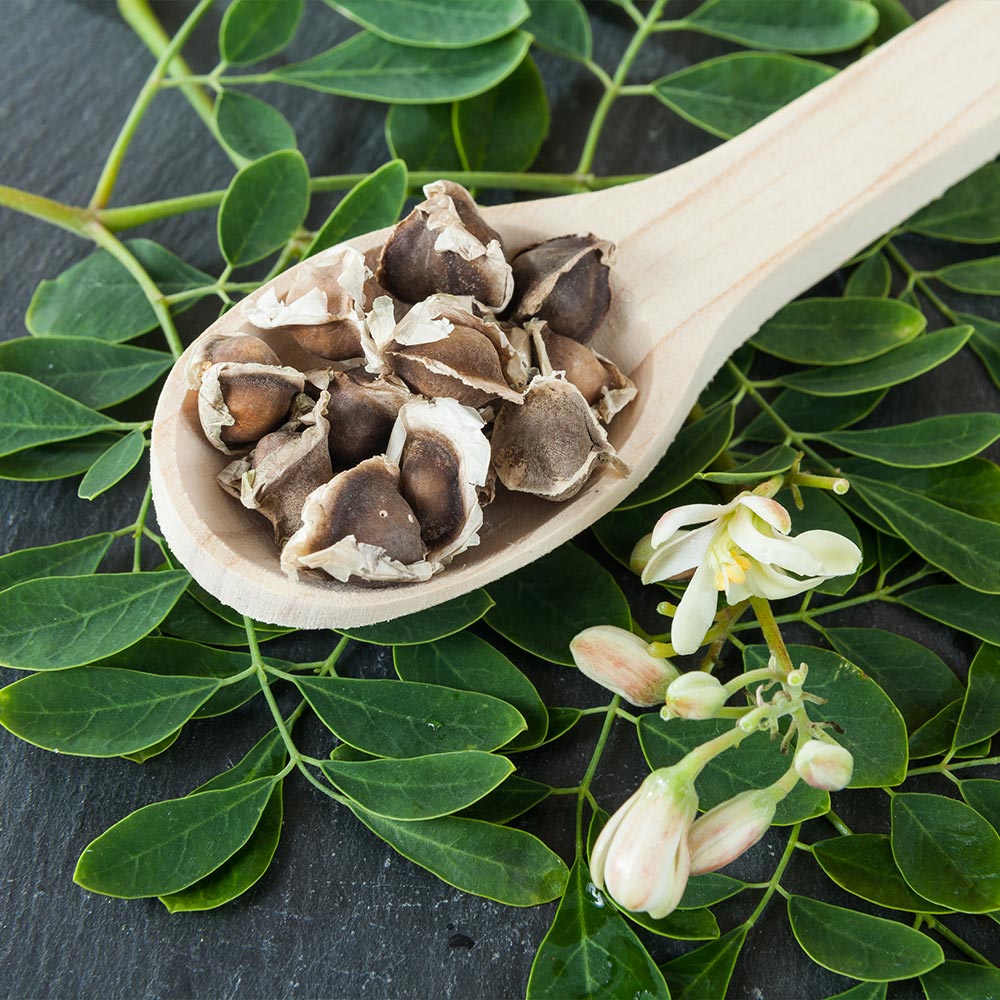
Description
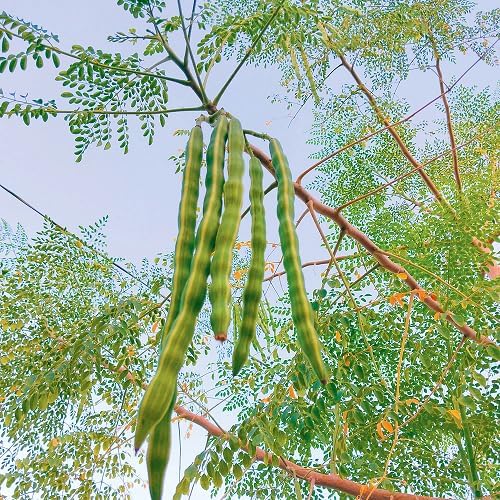
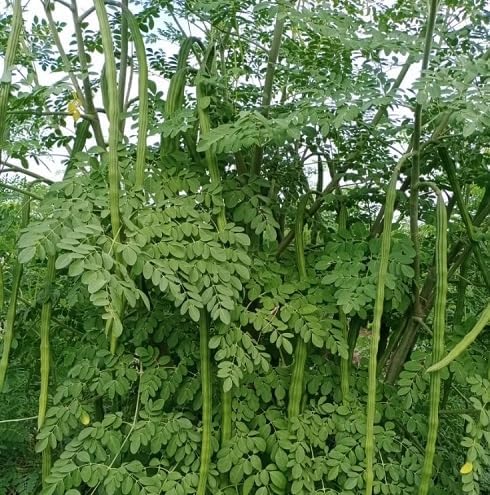
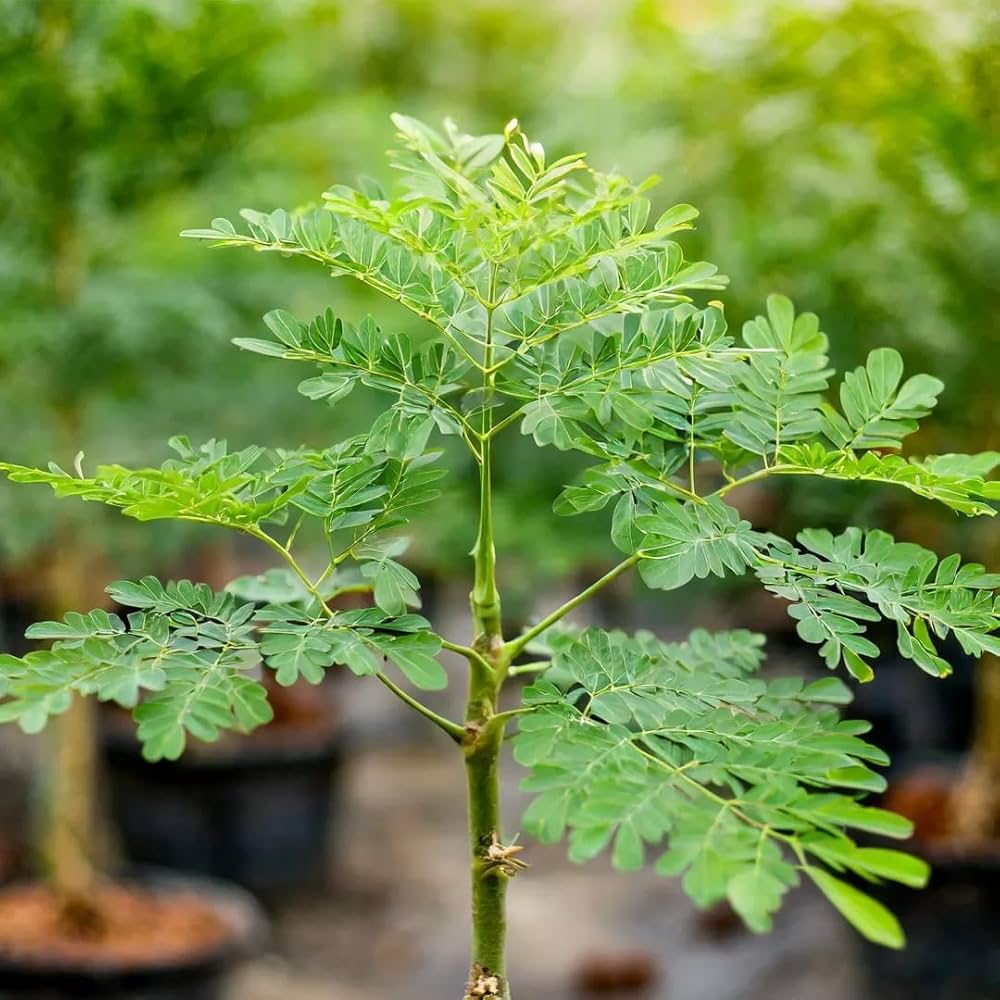
Farming Moringa oleifera (often called the “Miracle Tree”) for animal feed is gaining massive traction because it solves two of the biggest problems in livestock farming: rising feed costs and low-quality nutrition.
On a dry matter basis, Moringa leaves are comparable to soybean meal—the gold standard of protein—but with a much lower environmental footprint.
Exceptional Nutritional Profile
Moringa is essentially a “natural multivitamin” for livestock. Because the leaves have low crude fiber (around 6%), they are highly digestible for both ruminants (cows, goats) and non-ruminants (poultry, pigs).
Protein (25–30%): Supports rapid muscle growth and tissue repair.
Essential Amino Acids: Contains all 10 essential amino acids, including lysine and methionine (crucial for poultry).
Calcium & Phosphorus: Vital for bone strength and high-quality milk production.
Vitamin A, C, & E: Boosts the immune system, reducing the need for expensive antibiotics.
Iron & Zinc: Prevents anemia and improves reproductive health.
Livestock-Specific Benefits
Integrating Moringa into your feed strategy (usually at a 5–15% inclusion rate) yields visible results:
Dairy Cows & Goats: Studies show significant increases in daily milk yield (sometimes up to 40–50%) and improved fat/protein content in the milk. Poultry (Broilers & Layers): Broilers: Faster weight gain and better feed conversion ratios (FCR). Layers: Darker, richer orange yolks (due to high carotenoids) and stronger eggshells.
Ruminant Digestion: Moringa contains secondary metabolites like saponins and tannins that can reduce methane emissions from cattle, making the farm more eco-friendly.
Agronomic & Economic Advantages
For the farmer, Moringa is a “low-input, high-output” crop:
Drought Resilience: Moringa thrives in arid and semi-arid regions where other fodder crops (like alfalfa) might wither.
Rapid Biomass Production: It can be harvested as early as 60 days after planting and then every 35–45 days thereafter. You can produce between 40 to 100+ tons of fresh biomass per hectare annually
Reviews
There are no reviews yet.